Broadcaster is blasted for framing countryside life through an ‘overwhelmingly urban lens’

The Countryside Alliance has taken the BBC to task for its rural broadcasting (Image: Getty)
The Countryside Alliance has demanded the BBC radically improves the way it portrays and serves rural Britain as the future of broadcaster is debated. The licence fee will go up to £180 in April and a consultation on how the BBC needs to change has been launched. The rural campaigning organisation has given a scathing account of the BBC’s failings when it comes to covering countryside life.
It states: “Time and again, issues that profoundly affect rural life – farming, land management, animal welfare, field sports, planning, and rural businesses – are framed through an overwhelmingly urban lens. Those who live and work in the countryside are too often drowned out by professional activists or commentators with little connection to rural realities.”
In its submission to the consultation, it warns that “rural Britain is misunderstood, marginalised, or spoken about rather than listened to”. It adds that trust is “undermined when the BBC appears unwilling or unable to enforce its own standards of impartiality”. It claims “public confidence suffers when high-profile presenters are seen to engage in political campaigning while continuing to benefit from the BBC’s platform”.
Arguing that change is required for the licence fee to command support, the Countryside Alliance states: “The BBC is funded by a licence fee paid by households across the UK, including many rural households who feel poorly served by its output. Yet complaints processes remain opaque, slow, and overly reliant on internal adjudication.”
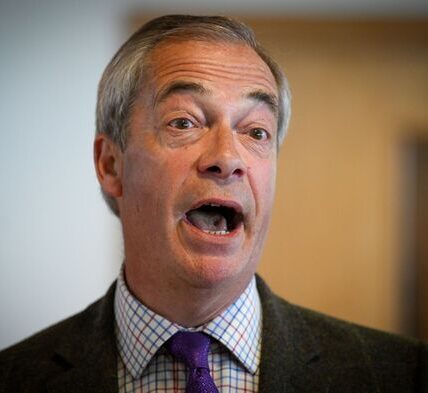
Reform UK MP Lee Anderson welcomed the group’s intervention, saying: “Rural communities are the backbone of this country’s heritage – yet too often their voices are sidelined in national media debates. The BBC, funded by a licence fee paid by millions of rural households, should reflect the full diversity of British life, not just metropolitan perspectives.’
Shadow Environment Minister Robbie Moore also pressed for change, saying: “Rural communities pay their licence fees like everyone else. It is not unreasonable for them to expect their views to be represented fairly and on equal terms by the BBC. Yet too often, they feel their voices are sidelined or misunderstood. The BBC must do more to ensure their perspectives are properly heard. After all, the people best placed to speak about the countryside are those who live and work there.”

Reform UK MP Lee Anderson demanded better rural coverage from the broadcaster (Image: Anadolu via Getty Images)
A BBC spokesperson said: “The BBC is committed to covering rural affairs and reflecting a breadth and diversity of opinion in our output, per our editorial guidelines. We’re proud of the range of dedicated programming on TV and radio, as well as covering rural stories on BBC News from across the UK.
“The BBC’s Rural Advisory Committee includes a wide range of people outside the organisation who share insights from farming communities and provide feedback to the BBC to help ensure our content is accurate and relevant.”
“We welcome the publication of the Government’s Green Paper and urge everyone who cares about the future of the BBC to have their say. We want a BBC that is independent, sustainably funded for the long term, and delivers for all audiences.”