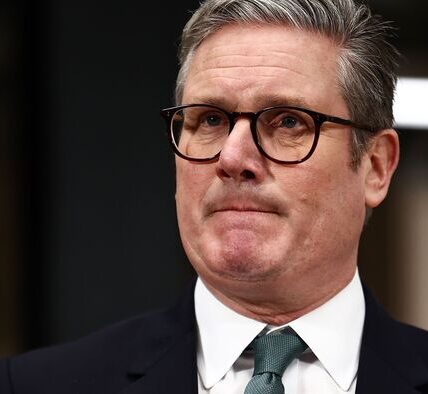
Rachel Reeves urged introduce a new tax code for pensioners that would double their personal tax allowance

Chancellor Rachel Reeves has turned down plans to give pensioners a tax break (Image: Getty)
The Treasury has given a response to a petition calling for the government to grant pensioners a special exemption to avoid the tax burden on the lowest earners. A petition on the Parliament website is urging Chancellor Rachel Reeves to introduce a new tax code for pensioners that would double their personal tax allowance.
Ms Reeves last month decided to freeze the lowest income tax threshold of £12,570 until 2031 – meaning that those only on the new State Pension would cross the threshold to paying tax on it from 2027 due to the triple lock. The petition, which can be viewed here, has soared to 25,000 signatures – and now the Treasury has given an official response.
The triple lock will boost the full new State Pension from £230.25 to £241.30 per week (£12,548 per year) next year, which is just slightly below the threshold. The petition, initiated by Timothy Hugh Mason, states: “We want the government to introduce a new tax code for state pensioners, set at double the basic threshold. If this was implemented, pensioners would receive a higher tax-exempt limit, but wealthier pensioners would still pay tax.
“We think that people with small private or workplace pensions are currently being taxed unfairly.” Tax thresholds have generated significant public interest, with multiple petitions launched nationwide. A petition earlier this year demanding the threshold be raised to £20,000 gathered an impressive 281,792 signatures on the Parliament website before closing to new supporters during the summer months.
This led to a Parliamentary debate in which the Treasury put the cost at £50 billion. The process of ‘fiscal drag’ means many of the poorest people in the country will be dragged into opaying tax by the lowest tax threshold being set at £12.570 since 2021.
Currently, a basic tax rate of 20 per cent is applied to earnings above £12,570, whilst higher earners face a 40 per cent rate on income exceeding £50,270 – both thresholds have remained frozen since 2021.
Now in a response which has just been published, the Treasury said: “The State Pension is the foundation of support for pensioners. The Government is committed to a fair tax system but doubling the Personal Allowance for pensioners would be untargeted and costly.”
“The State Pension is the foundation of support available to pensioners. The government is committed to the Triple Lock – one of the most generous State Pension uprating mechanisms in the world – for the duration of this Parliament. This will increase the basic and new State Pension by 4.8% next April, boosting pensioner incomes by up to £575 a year and strengthening retirement security.
“The Personal Allowance is already the highest amongst G7 countries. Doubling this allowance for all pensioners would be costly and untargeted – disproportionately benefiting higher-income pensioners.
“As announced at the Budget, the government will ease the administrative burden for pensioners whose sole income is the basic or new State Pension without any increments so that they do not have to pay small amounts of tax via Simple Assessment from 2027-28, if the new or basic State Pension exceeds the Personal Allowance from that point. The government is exploring the best way to achieve this and will set out more detail next year.”
There’s mounting pressure on the government over tax allowances. Another petition has exceeded 10,000 signatures, demanding the basic threshold be raised from £12,570 to £20,000.
A separate petition, launched by Shannon Keene, says: “Raise the income tax personal allowance from £12,570 to £20,000. This would help with increasing rent, mortgages, Council tax, and Gas and Electric bills. Some families can’t afford to go back to work after children due to childcare costs wiping out their whole income!”.
“We think that we are currently paying ridiculous amounts of tax, and that minimum wage isn’t even enough to support an average family. We believe that this would lead to a massive increase in people willing to look for work, instead of people not wanting to, due to it being too expensive to live now.”
The petition can be viewed here.