Could free TV licences for benefit claimants be on the horizon? As the BBC faces a storm of reforms, whispers of change are stirring curiosity and debate.

Benefit claimants could receive free television licences as part of sweeping BBC reforms (Image: Getty)
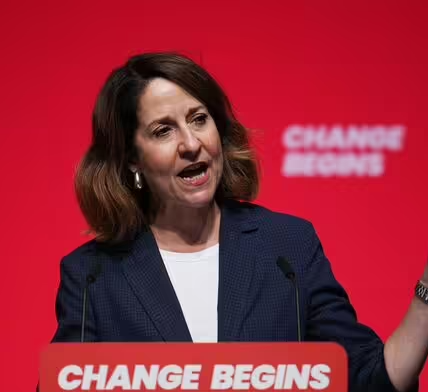
Benefit claimants could receive free television licences as part of sweeping BBC reforms being considered by Culture Secretary Lisa Nandy. A government review of the BBC’s Royal Charter, published on Tuesday, revealed that more than half of poorer households struggle to keep up with their £174.50 annual licence fee payments, reports the Telegraph.
The report highlighted that countries such as Germany already offer free licences or discounts to those on benefits, and UK officials are now exploring “further targeted interventions, such as new concessions or payment schedules.” This potential handout comes as Prime Minister Sir Keir Starmer faces criticism for failing to get more Britons off benefits and into work, with spending on benefits set to hit £378bn by 2029-30.
BBC could introduce ‘top-up subscription service’ for premium content
The consultation report, which comes amid a crisis for the broadcaster, suggested the corporation could raise money with a “top-up subscription service” offering premium content, including repeats on iPlayer. It also raised the possibility of the BBC carrying advertisements on live television and radio, or restricting advertisements to iPlayer and the BBC website.
The number of people paying the licence fee has steadily declined, from 25.2 million in 2020 to 23.8 million this year, as the BBC faces increasing competition from streaming services. The Government’s green paper follows the resignation of the BBC’s director-general and head of news after The Telegraph revealed that a Panorama documentary misled viewers by editing a speech by Donald Trump.
Current concessions and discounts for over-75s, those in residential care, and blind people
Currently, over-75s on pension credit receive a free licence, while those in residential care and blind or severely sight-impaired individuals receive discounts. Additionally, some 287,000 households use a “simple payment plan” to spread the cost over 12 months, but more than half struggle to keep up with their payments.
Nigel Huddleston, the shadow culture secretary, criticized the idea, saying, “It would be outrageous if people claiming benefits were given free TV licences while hard-working taxpayers foot the bill.” He argued that under Keir Starmer and Rachel Reeves, the government seems “determined to reward inactivity rather than encourage work.”
The BBC is under unprecedented pressure following the resignation of its director-general and head of news in the wake of the doctored Trump speech scandal. On Monday night, it emerged that the US president had started proceedings to sue the corporation for $10bn (£7.5bn).
Ms Nandy’s consultation report also suggested updating the BBC Charter to ensure that “accuracy” is considered as important as “impartiality.” The Culture Secretary emphasized the need for the BBC to remain “fiercely independent, accountable and be able to command public trust” while reflecting the whole of the UK and being funded in a “sustainable and fair” way.
Options for introducing advertising on BBC services to generate revenue
The green paper outlined various options for introducing advertising on BBC services to generate revenue, including carrying limited advertising on online platforms or allowing advertising on all BBC services, including live television and radio. However, the document acknowledged that the latter approach could have “significant negative impacts” on the BBC’s competitors and the UK’s wider media ecosystem.
The consultation report also called for a shake-up at the BBC to ensure it does more to improve workplace standards, including the way it handles complaints, so that wider problems can be identified. It suggested giving the BBC board’s remuneration committee more powers to examine whether senior staff are paid fairly.
In addition, the report proposed changes to the way BBC board members are appointed, including reducing the government’s role so that it only appoints the chairman. This move aims to enhance the BBC’s independence and accountability.
Ms Nandy stressed that wholesale changes were needed to put the broadcaster on a “sustainable financial footing” while ensuring it remains a trusted and independent institution that reflects the entire United Kingdom.