The heavy betting action caps a bruising 2025 for Sir Keir Starmer, whose net favourability rating has plunged to historic lows.

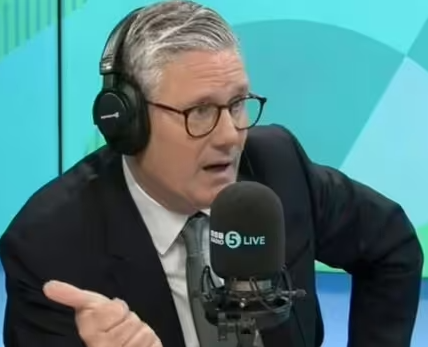
Prime Minister Keir Starmer (Image: Getty)
Sir Keir Starmer is odds-on to depart Downing Street in 2026, with bookmakers listing a departure in the next year as the firm favourite at 4/6, carrying a 60% implied probability. Data from Oddschecker shows a staggering 93% of bets in the past 24 hours backing a 2026 exit for the Prime Minister, underscoring widespread doubt over his long-term survival.
A 2027 exit is the second favourite at 4/1 (20% implied probability), followed by staying until 2029 or later at 9/2 (18%). An exit in 2028 is priced at 6/1, while a 2025 departure remains a long shot at 200/1.
Oddschecker spokesman Chris Rogers said: “A difficult year for the Labour Party has seen the pressure ramp up on Keir Starmer.
Punters have piled in on the Labour leader to depart from Downing Street in 2026 (4/6) with 93% of bets taken in the last 24 hours favouring a 2026 exit date. The remaining 7% backed a 2027 departure at 4/1.”
The heavy betting action caps a bruising 2025 for Sir Keir, whose net favourability rating has plunged to historic lows.
Recent YouGov polling in December recorded just 18% viewing him favourably against 72% unfavourably, yielding a net score of -54 – among the worst for any British prime minister on record and comparable to Boris Johnson‘s rating on resignation day.

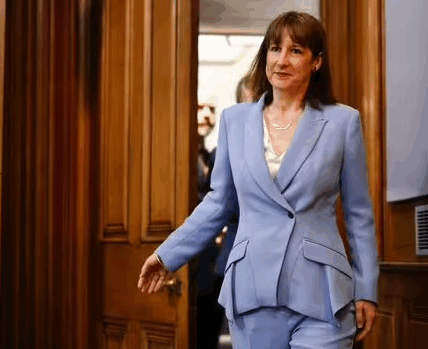
Former Deputy PM Angela Rayner (Image: Getty)
Since assuming office in July 2024 after Labour’s landslide victory, Sir Keir has weathered a storm of controversies. Early scandals over ministerial “freebies” – including designer clothes for his wife and luxury gifts from donor Lord Alli – fuelled accusations of hypocrisy amid public sector austerity.
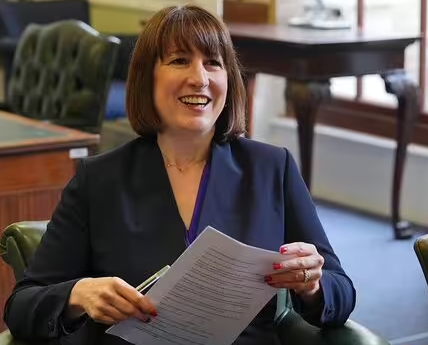
Cuts to pensioners’ winter fuel payments provoked backlash, while Chancellor Rachel Reeves‘s tax-raising Budget exacerbated perceptions of economic mismanagement.
Immigration policy has proven particularly divisive. Sir Keir’s tough rhetoric, warning Britain risked becoming an “island of strangers” and claiming high migration caused “incalculable damage”, drew criticism for echoing far-right tones while failing to reduce record Channel crossings.
Calls to curb the European Convention on Human Rights to counter populism alienated progressives.
Internal turmoil compounded external pressures: Deputy Prime Minister Angela Rayner‘s resignation over a housing scandal, the sacking of Peter Mandelson as US ambassador, and persistent infighting raised questions of competence.
Even 2024 Labour voters have turned, with majorities now disapproving of the Government’s performance on the NHS, the cost of living, and immigration.
Persistent speculation of leadership plots – involving figures like Wes Streeting and Andy Burnham – has intensified, though Sir Keir insists he will fight any challenge and lead into the next election.
As 2025 ends with Labour trailing Reform UK in many polls, betting markets reflect punters’ conviction that his premiership may not endure beyond next year.