State pension payments increase each April

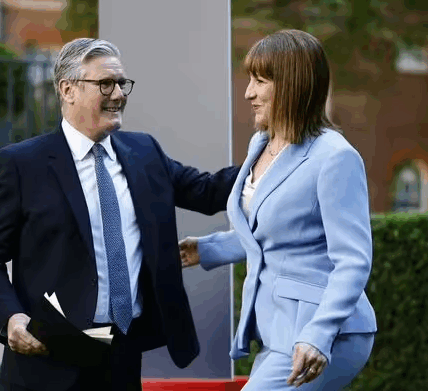
The Government has said those on the full new state pension alone will not pay income tax (Image: Getty)
A tax expert has spoken about a looming tax change affecting state pensioners. Chancellor Rachel Reeves confirmed recently that those who live solely on the state pension will not pay income tax.
The full new state pension currently pays £230.25 a week, or £11,973 a year. Payments are set to go up 4.8 percent next April, lifting the full new rate to £241.30 a week, or £12,547.60 a year.
You can earn up to £12,570 a year without paying income tax, in line with the personal allowance, meaning the full new state pension will be just over £20 away from attracting a tax bill from next April. As payments go up by at least 2.5 percent thanks to the triple lock policy, the full new state pension will definitely be subject to income tax after April 2027.
The triple lock pledge means the state pension increases each April in line with either 2.5 percent, the rise in average earnings or inflation, whichever is highest. But the Government has now confirmed that those who live on the full new state pension will not pay the tax even when it crosses the income tax threshold.
Chancellor Rachel Reeves confirmed the policy but the Government has not set out the specifics of how this will work. Lee Murphy, managing director of The Accountancy Partnership, spoke about how this policy could be implemented.
He said: “Chasing tiny tax bills isn’t that efficient, so in practice this could mean not issuing tax returns or simple assessments where the state pension creeps above the frozen personal allowance by a small amount. The usual PAYE system and tax codes would still apply to pensioners with private or workplace pensions though, so the proposals are really about tidying up admin for a very specific group, hopefully without creating a completely separate tax regime for retirees.”
Mr Murphy also said that the tax system can be complex, with the different rates and types of tax that apply depending on your circumstances. He said: “The state pension is intended to provide a basic income in retirement and, for many pensioners who have limited ability to increase their earnings, it is a vital lifeline.
“The tax system must work for everyone, so although it will inevitably involve difficult choices, making changes which will help free up HMRC resources for other areas can be beneficial for everyone.”
Changes to the state pension
The state pension age is currently 66 for both men and women but this is changing from next year. The access age is increasing gradually to 67, between April 2026 and April 2028.
The state pension age is also set to increase from 67 to 68 between 2044 and 2046, although there has been discussion about bringing forward this timetable. The Government announced in 2025 there would be another review of the state pension age.
You can check how much state pension you are on track to receive using the state pension forecast tool on the Government website.