HMRC has completed a review of around 24,000 cases after a row broke out over errors made in an attempt to crack down on fraud.
A government review has discovered that thousands have erroneously had their child benefit withdrawn due to a significant administrative error. HMRC has disclosed the findings of an investigation into approximately 24,000 cases following a dispute over inaccuracies in an initiative to combat fraud.
In November, the tax authority announced it was conducting this review in response to concerns about a new scheme aimed at preventing incorrect child benefit payments. This campaign resulted in roughly 23,500 claimants having their child benefit halted because official checks indicated they were no longer eligible due to permanent departure from the UK.
However, these checks were flawed.
Officials faced criticism when it was revealed that PAYE checks, which would provide real-time data on individuals’ employment and income, were not performed on these cases. Instead, they relied on Home Office information, which, as it transpired, often did not present a comprehensive picture.
Indeed, many flagged as having exited the UK had merely taken a brief holiday. HMRC officials have now concluded a review of these cases to determine how many people had their child benefit unjustly stopped – and how many are indeed ineligible, reports the Mirror.
HMRC under scrutiny in the House of Commons
The details came to light following a parliamentary question from Conservative MP Andrew Snowden, who asked: “how many of the 23,500 compliance enquiries (i) were confirmed to be eligible, (ii) were found to have been incorrectly receiving the benefit, and (iii) are yet to receive an outcome”.
Treasury minister Dan Tomlinson responded: “HMRC has now completed its review of Child Benefit compliance cases where a PAYE check had not been undertaken. As of 30 November 2025, out of the 23,794 cases opened between August and October 2025, 14,994 Child Benefit customers have been confirmed to be eligible to Child Benefit.”
He continued: “Of the remaining 8,800 cases, 1,019, have been determined to have been incorrectly receiving Child Benefit, and 7,781 enquiries remain open as the customer has not yet provided evidence to enable a final determination of residency.”
HMRC had originally incorporated PAYE data during the pilot phase of the scheme. However, HMRC chief executive John-Paul Marks explained that the PAYE checks were dropped to ‘streamline the process’ when the programme was rolled out more widely.
Mr Tomlinson responded to the errors, explaining that they occurred after the initial pilot. He stated: “The data from the 23,794 cases is not comparable with the pilot. Recognising the issues with the implementation of the expansion, HMRC put in place an expedited process for customers that varied from the way it applied checks in the pilot. The information from the pilot remains HMRC’s best assessment of the effectiveness of the activity using international travel data to reduce error and fraud.”
Senior MPs have criticised HMRC over errors
Dame Meg Hillier, chair of the Treasury Committee, accused officials of being ‘cavalier’ with people’s finances when the error came to light last month. She commented: “HMRC is absolutely right to look at innovative ways to fight fraud and error in our system.
“I’m afraid, though, that it appears they have been cavalier with people’s finances, making the arbitrary decision to remove necessary checks and causing a mess they are now forced to clean up.

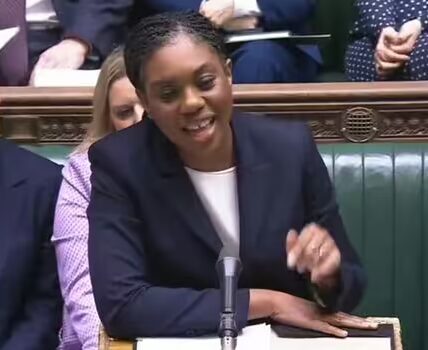
Andrew Snowden MP (Image: undefined)
“I understand they must try to remove any unnecessary bureaucracy within their processes but this is a costly error. It is right that they have apologised. When they next appear in front of our Committee, in the new year, we will certainly be pressing them on the lessons they have learned from this mistake.”
Following the emergence of these blunders, but before the numbers affected were disclosed in the Commons before the New Year, HMRC issued an apology. A government spokesperson said at the time: “We’re very sorry to those whose payments have been suspended incorrectly.
“We have taken immediate action to update the process, giving customers one month to respond before payments are suspended. We remain committed to protecting taxpayers’ money and are confident that the majority of suspensions are accurate.”
In September, the Government introduced stricter measures to tackle child benefit fraud, pledging to save £350million over a five-year period.