Backing for the call has been soaring after Chancellor Rachel Reeves decided to freeze tax boundaries

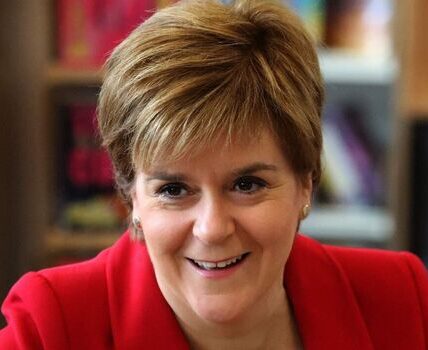
Chanellor Rachel Reeves decided to freeze tax thresholds in her budget (Image: Ian Vogler / Daily Mirror)
A campaign demanding an increase to the income tax threshold has received a major development as it reached a key threshold. A petition on the Parliament website, which has attracted more than 50,000 signatures and is growing rapidly, is halfway towards securing a major debate.
It is halfway to 100,000 signups, which would mean it should be debated in the Commons, meaning the Treasury will be forced to lay out plans and defend its position. In the budget in November, Chancellor Rachel Reeves decided to extend the income tax freeze from the then-deadline of 2028 to 2031.
Concerns are mounting that millions more people, including many of the country’s poorest workers, have been caught in the tax net through ‘fiscal drag’. This has occurred because the lowest income tax threshold has been stuck at £12,570 since 2021, whilst wages have continued to rise due to inflation.
The freeze means some of the most financially struggling workers face taxation as soon as their earnings surpass £12,570 – and because it hasn’t moved, inflation and wage growth mean millions more are now paying tax compared to what would have occurred had it risen normally.
The fresh petition on the Parliament website is calling on the Government to lift this threshold to £20,000. The petition, launched by Shannon Keene, appeals to Rachel Reeves to: “Raise the income tax personal allowance from £12,570 to £20,000.
“This would help with increasing rent, mortgages, Council tax, and Gas and Electric bills. Some families can’t afford to go back to work after children due to childcare costs wiping their whole income! We think that we are currently paying ridiculous amounts of tax, and that minimum wage isn’t even enough to support an average family.”
“We believe that this would lead to a massive increase on people willing to look for work, instead of people not wanting to, due to it being too expensive to now live.”
The Institute for Fiscal Studies has said if people get a pay rise, a bigger proportion of their salary will be liable for income tax so most taxpayers will end up paying more, regardless of whether they move into a higher tax bracket. The freeze to income tax thresholds is expected to raise £7.6 billion in revenues for the Government in the 2029-30 tax year.
The thresholds dictate the amount people can earn before they start paying tax and are set at £12,570 for the lowest 20 per cent rate, £50,270 for the higher 40 per cent rate, and £125,140 for the 45 per cent rate.
Coupled with an extension to freezing the threshold where national insurance contributions (NICs) start to be paid, revenues rise to £8.3 billion. Opting for this change, as opposed to increasing income tax rates, means the Chancellor may have avoided breaking a Labour manifesto pledge not to raise taxes for working people.
The Office for Budget Responsibility said the freeze in tax thresholds would result in 780,000 more basic-rate, 920,000 more higher-rate and 4,000 more additional-rate income tax payers in 2029/30.
In response to the petition, the Treasury issued a statement: “The Government is committed to keeping taxes for working people as low as possible while ensuring fiscal responsibility, so we will not increase the Personal Allowance to £20,000. The Government is committed to keeping taxes for working people as low as possible while investing in public services and not taking risks with the economy.
“The Government currently has no plans to increase the Personal Allowance to £20,000. Increasing the Personal Allowance to £20,000 would come at a significant fiscal cost of more than £50 billion per annum. This would reduce tax receipts substantially, decreasing funds available for the UK’s hospitals, schools, and other essential public services that we all rely on. A £50 billion cut in public services is equivalent to slashing roughly a quarter of the NHS Budget, or around 80% of defence spending.
“To support the lowest paid workers in our economy, the Government asked the Low Pay Commission to account for the cost of living when making their recommendations on the minimum wage rates to apply from April 2025, for the first time. The government is also supporting families through the universal offer of 15 hours of government-funded childcare for all parents of 3- and 4-year-olds and eligible working parents of children aged 9 months and above can access 30 hours a week in free childcare.
“The Government keeps all taxes under review as part of the policy making process. The Chancellor will announce any changes to the tax system at the Budget on the 26th November in the usual way.”
The matter has triggered multiple petitions, demonstrating widespread public feeling nationwide. A petition earlier this year demanding the threshold be raised to £20,000 gathered a remarkable 281,792 signatures on the Parliament website before closing to new backers over the summer.
This led to a Parliamentary debate where the Treasury put the cost at £50 billion. Campaigners viewed the petition’s status as among the biggest ever seen on the parliament website as proof of robust public opinion on the issue.
To view and sign up to the petition click here.