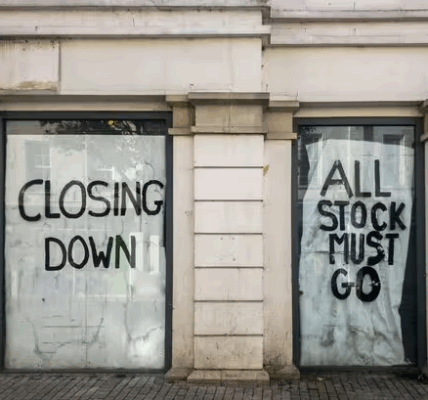
After years of scandals – and at a time it begs for more cash from taxpayers – it’s surely time to defund the BBC.

Bob Vylan’s hate-filled performance at Glastonbury was a low point for the BBC (Image: Getty)
Here’s the news: this could be one of the last years of the BBC as we know it. The bloated – and increasingly penniless broadcaster – has only got itself to blame for a slow and painful split from the public it claims to serve.
A review into the BBC’s royal charter – up for renewal in 2027 – is under way. But cutting to the chase: It’s an analogue broadcaster in a digital age.
It is why the licence fee – or TV tax – will be no more and, if it really is the trusted and respected public service broadcaster it claims to be, people will subscribe.
The BBC is largely skint and desperate for a higher licence fee or more cash from somewhere at a time when those who don’t want to watch its output, or refuse to pay £174.50 a year for a legal right to do so, grows ever larger.
In short, and after scandal after scandal, the plug is about to be pulled. Its transmission is coming to an end.
But what to do with an organisation that is so out of control and so out of touch?
Most of what we consume these days – online or on-screen – is based on a subscription service. Netflix is the obvious example, but there are others: Sky, Disney, and Amazon to name a few.
This would be the obvious choice but here lies the rub: the BBC would need high quality programmes to flog and save, arguably, Strictly Come Dancing there are vanishingly few to sell.

Gary Lineker quit the BBC after an ill-judged social media post (Image: Getty)
It now finds itself in a conundrum because it’s flogged the family silver, or lost what were once regarded as crown jewels, and as a consequence fewer people are tuning in and therefore it has less money to make better TV.
Those who pay for a licence fee with a monthly £14.54 direct debit cough up more than the £12.99 a month it costs for an advert-free Netflix subscription.
The numbers are up for debate, but the problem isn’t.
Millions of households are refusing or failing to pay the licence fee, with evasion rates now standing at around 12.5% which is costing the corporation £550m while another 3.6 million households have said they don’t need one (costing a further £617m). This means the BBC is haemorrhaging more than £1.1 billion in lost revenue.
Increasing numbers are using streaming services like Netflix and Amazon Prime instead of tuning in to watch traditional linear TV.
And that’s to say nothing of what amounts to a tax at a time of a mounting cost of living crisis and a carousel of appalling bias scandals and incidents including a hate-filled performance by Bob Vylan at Glastonbury, Jimmy Savile, Rolf Harris, Stuart Hall, and Huw Edwards, and repeated left-leaning political rants from former Match of the Day presenter and activist Gary Lineker – who was paid north of £1.3 million a year – until he quit after sharing a social media post about Zionism that included an illustration of a rat, historically used as an antisemitic insult.
Is it any wonder the public is fed up of paying a tax only for its national broadcaster to be plagued by scandal after scandal?
The stark reality is that if the numbers refusing to pay the licence fee continue at the current rate the BBC will no longer be able to afford to pay for much of its public service output, let alone commissioning anything worth paying for.
It is clear the way it is funded has to change. But who is going to cough up?
The question now is what content does the BBC provide which, arguably, only the BBC can only provide? The answer is not a lot.
No one is going to pay for news, current affairs, education, and the arts, traditional public service broadcasting content, on a subscription basis.
And that’s why the plug should finally be pulled.