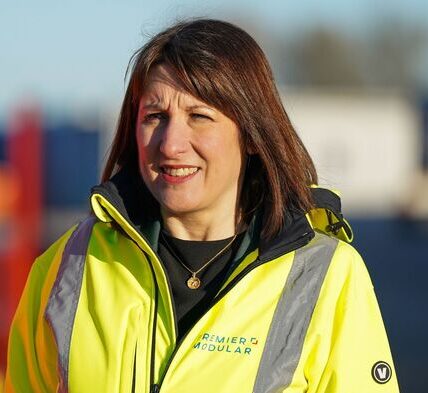
Chancellor Rachel Reeves confirmed the new tax policy will soon take effect

Chancellor Rachel Reeves has announced a change to the state pension (Image: Getty)
State pensioners are set to enjoy a tax break under a new policy coming in soon. As state pension payments continue to rise and push up people’s incomes, claimants are seeing their tax bills increase as well.
But Chancellor Rachel Reeves has confirmed she will be sparing some claimants from a looming tax bill. The full new state pension currently pays £230.25 a week. With payments rising 4.8 percent from next April thanks to the triple lock, this will rise to £241.30 a week, or £12,547.60 a year.
This means from next April those whose only income is the full new state pension will be just over £20 away from using up all their £12,570 yearly personal allowance. Looking further ahead, from April 2027 these claimants will certainly be dragged into the band for paying income tax on part of their payments.
This is because the state pension rises each April following the triple lock measure, which ensures payments go up in line with a minimum 2.5 percent, which would lift claimants on the full new state pension alone into paying income tax.
The triple lock actually mandates that rates go up in line with whichever is highest: the 2.5 percent floor, or the rise in average earnings, or inflation. The policy has delivered some sizeable boosts in recent years, including a record 10.1 percent rise in April 2023.
Tax change for the state pension confirmed
But the Chancellor said recently that even when the full new state pension rises above the personal allowance, people whose only income is the DWP benefit will not pay income tax on their payments. As the Government has committed to keeping the triple lock in place, claimants on the full new state pension alone can work out the minimum amount they will save in tax bills thanks to the new policy.
The Chancellor announced on Budget day that the income tax personal allowance and bands will remain frozen at their current for the time being. Using the minimum 2.5 percent increase for the triple lock, this would lift the full new state pension from £241.30 a week to £247.35 a week in April 2027, or £12,862.20.
This would mean under the current rules, a pensioner solely on the full new state pension would have to pay 20 percent tax on the £292.20 a year they take home above their personal allowance. But thanks to the Chancellor’s new policy, they would save £58.44 a year in tax.
If payments went up by the minimum 2.5 percent again in April 2028, this would lift the full new state pension to £253.55 a week, or £13,184.60 a year. Pensioners would be spared paying income tax on £614.60 of their annual income, saving them £122.92 in tax.
In April 2029, payments would rise to £259.90 a week if the 2.5 percent minimum was triggered again, or £13,514.80 a year. This means pensioners would be spared paying income tax on almost £1,000 of their income.
They would be spared paying the levy on £944.80 of their income, saving them £188.96 in tax.